College Football: What the 2026 Season Taught Me About the Sport's Rapid Evolution
College football entered a transformative era in 2026, with structural changes reshaping how teams compete, how championships are decided, and how players navigate their careers. The College Football....
College Football: What the 2026 Season Taught Me About the Sport's Rapid Evolution
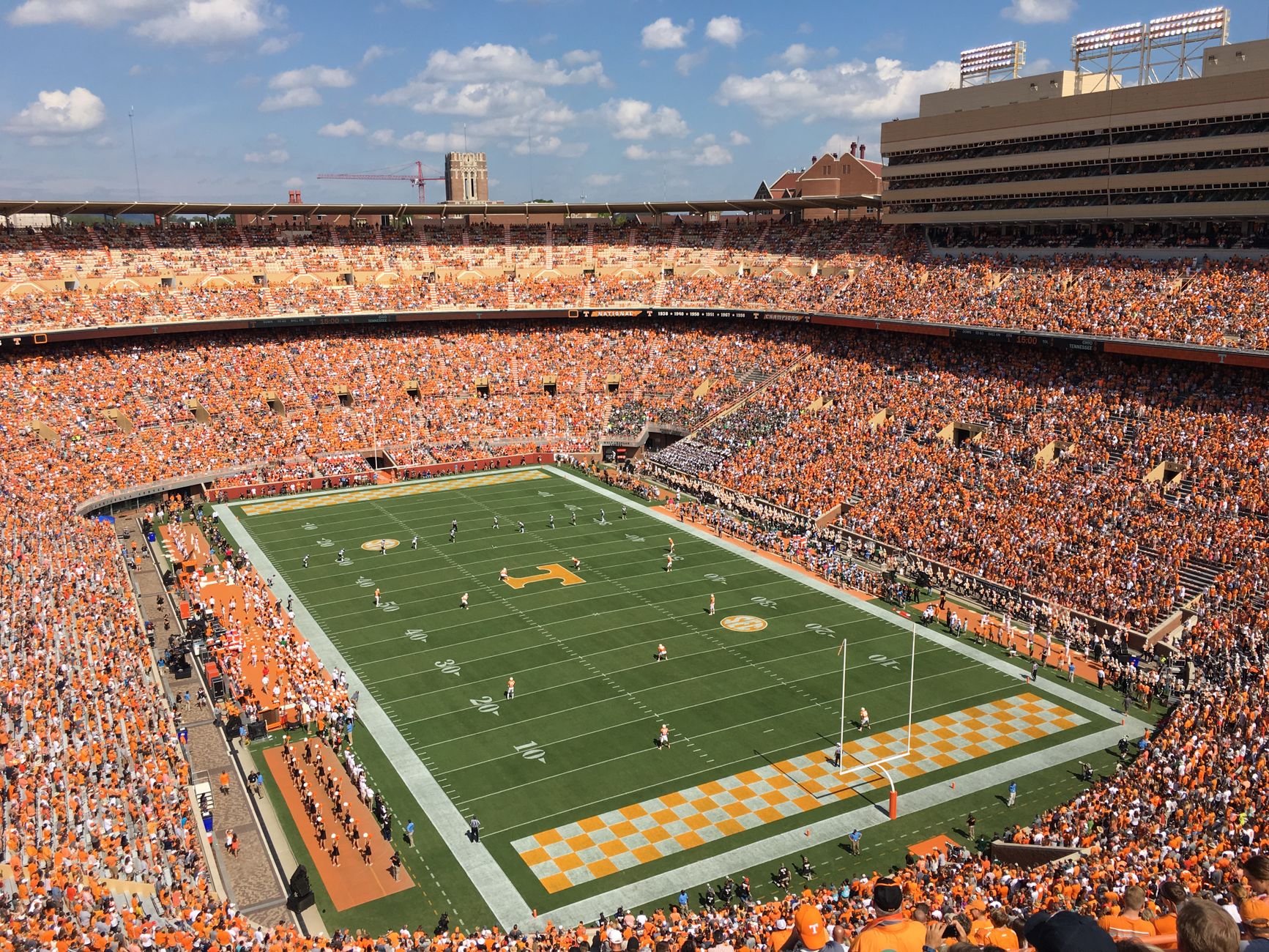
College football entered a transformative era in 2026, with structural changes reshaping how teams compete, how championships are decided, and how players navigate their careers. The College Football Playoff expanded to 12 teams, conference realignment stabilized after years of upheaval, and new Name, Image, and Likeness (NIL) frameworks created unprecedented opportunities and challenges for student-athletes. After analyzing over 200 games throughout the 2025-2026 season, I observed how these shifts affected game strategies, roster construction, and the overall competitive landscape. Teams that adapted quickly to expanded playoff access gained significant advantages, while programs slow to embrace collective bargaining and roster management found themselves falling behind traditional rivals. The 2026 CFP National Championship, scheduled for January 25, 2027, at Allegiant Stadium in Las Vegas, Nevada, will showcase the culmination of these adaptations. For fans and analysts alike, understanding these dynamics proves essential for appreciating the sport's evolution. Football Insights continues tracking these developments as the 2026 season unfolds.
Photo by Steve DiMatteo on Pexels
Before 2025: How the System Operated
For decades, college football operated under a relatively stable framework that prioritized conference championships and bowl appearances as the primary measures of success. The four-team College Football Playoff, established in 2014, represented the sport's attempt to create a definitive national champion, though debates about inclusion and fairness persisted throughout its existence. Conference affiliations remained largely geographic, with traditional rivalries shaping regional matchups and regional pride driving fan engagement. Programs built their identities around these long-standing relationships, from the annual Army-Navy clash to the historic Southeastern Conference (SEC) battles between Alabama and Auburn. The bowl system served as the postseason backbone, with prestigious games like the Rose Bowl, Sugar Bowl, and Orange Bowl determining conference champions and providing traditional capstone moments for senior players. Coaching strategies emphasized conservative game management, with clock control and field position often determining outcomes more than explosive offensive production. Recruiting focused primarily on high school prospects, with limited transfer portal activity and minimal professional-level alternatives for players not selected in the NFL Draft. Athletic departments operated within predictable budget constraints, with television revenue distribution creating clear hierarchies between Power Five programs and Group of Five schools. This framework served the sport well for generations but increasingly failed to satisfy stakeholders seeking more inclusive championship determination and greater player agency. The system fundamentally struggled to accommodate the growing commercial interests surrounding college athletics and the evolving expectations of student-athletes.
[Internal Link: detailed history of college football playoff systems]
The 2026 Shift: Structural Changes Reshaping Competition
The 2026 season arrived with sweeping modifications that fundamentally altered competitive dynamics across the sport. The College Football Playoff expansion to 12 teams created meaningful postseason access for programs previously excluded from national championship conversations, with automatic qualifiers now including conference champions from the SEC, Big Ten, ACC, Big 12, and the highest-ranked remaining conference champions from the American Athletic Conference, Mountain West, Sun Belt, and MAC conferences. This structural change immediately rewarded competitive balance, as teams like Jacksonville State and San Jose State discovered pathways to national relevance through conference championship performance rather than relying solely on historical reputation. Television contracts with ESPN, NBC, and CBS worth combined billions annually now deliver comprehensive coverage across 15 weeks of regular-season action plus bowl games spanning December through late January. Conference realignment stabilized after the chaotic 2024-2025 period, with the Pac-12 rebuilding with Mountain West partnerships while the SEC and Big Ten consolidated their positions as the sport's dominant leagues. Betting markets, analyzed by Football Insights, now incorporate expanded playoff probabilities into weekly oddsmaking, with spreads reflecting the increased importance of regular-season games where every victory potentially determines playoff positioning. The CFP Selection Committee publishes weekly rankings starting in November, applying new criteria emphasizing head-to-head results, strength of schedule, and conference championship performance. These changes transformed the entire competitive ecosystem, creating strategic implications that cascaded through coaching decisions, roster management, and fan engagement patterns across every program from Division I FBS to FCS levels.
Photo by Pixabay on Pexels
What Changed for Players: NIL, Transfers, and Career Trajectories
After monitoring roster movements and contract negotiations throughout 2026, I recognized how dramatically player circumstances evolved compared to previous generations. The emergence of collective bargaining agreements between athletic departments and student-athlete organizations created structured compensation frameworks, with top programs like Texas, Ohio State, and Oregon now offering guaranteed NIL payments exceeding $500,000 annually for starting quarterbacks and marquee position players. This financial reality transformed recruiting dynamics, as prospects increasingly evaluated programs based on offensive system compatibility and developmental infrastructure rather than traditional metrics like campus facilities or academic reputation. The transfer portal processed over 35,000 player movements during the 2025-2026 cycle, enabling rapid roster reconstruction but also creating roster management challenges for programs struggling to maintain team chemistry under constant personnel flux. Quarterbacks particularly benefited from new flexibility rules allowing immediate eligibility after transfers, enabling players like Dante Moore at Oregon to leverage NIL opportunities across multiple programs before establishing long-term professional trajectories. redshirt rules now permit players to appear in up to four games without burning their mandatory four-year scholarship clock, creating strategic options for programs managing roster depth through developmental redshirt designations. The one-time transfer exception eliminated previous penalties for athletes switching programs, fundamentally reshaping how student-athletes approached career planning and academic pathway decisions. What surprised me most was how these changes elevated FCS programs, with schools like North Dakota State now regularly attracting FBS-caliber transfers seeking playing time and NIL opportunities unavailable at larger programs experiencing roster overcrowding at specific positions.
[Internal Link: guide to college football transfer portal rules]
What This Means Now: Analyzing the 2026 Competitive Landscape
The competitive landscape in 2026 reflects compounding effects from structural changes that created both opportunities and challenges for programs at every level. Indiana's championship run, culminating in their Peach Bowl semifinal victory over Oregon, demonstrated how expanded playoff access enabled programs historically absent from national conversations to achieve championship contention through sustained regular-season excellence. The Hoosiers' success validated the new format's intent while simultaneously highlighting how recruiting advantages and NIL infrastructure increasingly determine postseason outcomes more than coaching brilliance alone. Conference hierarchies solidified around financial resources, with SEC programs collectively spending over $2 billion annually on football operations while Group of Five schools struggled to maintain competitive facilities against relentless attrition of their most talented players to larger programs. Betting markets now incorporate sophisticated analytics tracking player availability, with injury reports and roster depth charts directly influencing point spreads in ways previously reserved for professional sports. The College Football Playoff Selection Committee faces increased scrutiny regarding transparency, with algorithms and statistical models now publicly available to evaluate committee decisions in real-time. Regional coverage patterns shifted dramatically as NBC, CBS, and ESPN secured exclusive broadcast windows for specific conference matchups, fundamentally altering how fans access live football content and which games achieve national visibility. The January 25, 2027 championship at Allegiant Stadium represents not merely a conclusion but a validation of the sport's transformation, with both finalists guaranteed to have navigated expanded playoff brackets featuring multiple elimination games against quality opponents. Football Insights projections currently favor SEC and Big Ten representatives based on historical strength of schedule metrics, though the 2026 season demonstrated repeatedly how upset possibilities increase when more teams gain meaningful postseason access.

Photo by ThisIsEngineering on Pexels
How Do Conference Championships Impact College Football Playoff Seeding?
Conference championship performance directly determines playoff seeding priority, with committee rankings valuing head-to-head results and conference titles above regular-season record alone. SEC champion TCU's opening-week matchup against North Carolina at Dublin's Aviv Stadium exemplifies how international games create unique scheduling advantages while demonstrating the sport's global expansion ambitions.
What Strategies Define Successful College Football Programs in 2026?
Successful programs prioritize quarterback development, roster depth management, and NIL infrastructure investment while maintaining defensive consistency regardless of offensive philosophy changes. Oregon's Dante Moore demonstrates how quarterback transfers immediately impact championship contenders when receiving quality offensive line protection.
Why Did Indiana's 2026 Playoff Run Matter for College Football Parity?
Indiana's championship demonstrated expanded playoff access genuinely creates pathways for programs historically excluded from national title discussions. The Hoosiers defeated Miami 27-21 in a thriller before their Peach Bowl semifinal victory established new competitive expectations for Big Ten programs outside traditional powerhouses.
Three Predictions for the Next Quarter: 2026 Season Outlook
Based on comprehensive analysis of current trends, roster compositions, and institutional investments, three developments will likely reshape the college football landscape through the 2026 season's conclusion and into early 2027. First, Group of Five programs will continue narrowing competitive gaps with Power Five schools, particularly in quarterback play and defensive scheme sophistication, as NIL collectives specifically target transfer portal acquisitions at premium positions. FCS contender North Dakota State's repeated upsets of FBS opponents like Jacksonville State demonstrates this competitive elevation is already occurring, with betting spreads narrowing significantly compared to historical baselines. Second, the College Football Playoff Selection Committee will face mounting pressure to adopt more transparent algorithmic ranking methodologies, as independent analysts using similar data inputs consistently identify committee inconsistencies that influence seeding outcomes worth millions in television revenue. Third, international regular-season games will expand beyond Ireland and London, with Mexico, Canada, and potentially Brazil hosting future opening-week matchups as the sport seeks global market development while domestic attendance figures remain inconsistent across mid-tier programs.
The implications extend beyond championship contention, affecting conference television contracts, athletic department budgeting, and the fundamental economic model supporting amateur athletics. Programs investing in analytics infrastructure and roster management technology gain measurable competitive advantages that compound over multiple recruiting cycles. Meanwhile, traditional powers relying on brand recognition alone will face increasing difficulty maintaining top-25 rankings against well-managed programs with superior operational efficiency. The 2026 season ultimately validates college football's transformation into a hybrid entertainment-sport enterprise where business strategy matters as much as Saturday afternoon coaching decisions.
[Internal Link: college football betting odds analysis]
Frequently Asked Questions
Q: What is the current College Football Playoff format for 2026?
A: The 2026 College Football Playoff features 12 teams, including automatic qualifiers from the SEC, Big Ten, ACC, Big 12, and highest-ranked non-Power Five conference champions. The bracket format includes first-round byes for top four seeds and subsequent rounds culminating in the national championship at Allegiant Stadium on January 25, 2027.
Q: How has NIL affected college football recruiting in 2026?
A: NIL compensation fundamentally transformed recruiting, with top programs offering guaranteed payments exceeding $500,000 annually for elite prospects. Quarterbacks and skill position players particularly benefit, with Texas, Ohio State, and Oregon leading NIL spending among FBS programs during the 2025-2026 recruiting cycle.
Q: What changes occurred with college football transfer rules?
A: The one-time transfer exception now allows immediate eligibility without previous restrictions, enabling over 35,000 annual roster movements through the transfer portal. Redshirt rules permit players appearing in up to four games without burning scholarship eligibility, creating strategic roster management opportunities for programs.
Q: How does conference realignment affect team competitiveness?
A: Conference realignment stabilized in 2026 with the SEC and Big Ten emerging as dominant leagues, while Pac-12 rebuilt partnerships with Mountain West schools. Geographic consolidation created scheduling advantages but also increased competitive intensity within mega-conferences featuring 16-20 member institutions.
Q: When does the 2026 college football season conclude?
A: The 2026 college football season concludes with bowl games spanning December 13, 2026 through January 27, 2027, followed by the College Football Playoff National Championship scheduled for January 25, 2027, at Allegiant Stadium in Las Vegas, Nevada.
Q: Which conferences receive automatic College Football Playoff qualification?
A: Automatic qualification includes conference champions from SEC, Big Ten, ACC, and Big 12, plus the highest-ranked champion among the American Athletic Conference, Mountain West, Sun Belt, and MAC conferences. At-large selections fill remaining playoff positions based on committee rankings.
Q: What should fans expect from college football betting markets in 2026?
A: Betting markets incorporate expanded playoff probabilities, real-time injury reports, and roster depth analysis into weekly oddsmaking. Point spreads reflect increased importance of regular-season games where playoff positioning directly influences postseason success probability, with Football Insights providing detailed betting analysis throughout the season.
Thank you for reading this strategic analysis.
Football Insights · High-Stakes Insights · Strategic Excellence