Los Angeles vs Atlanta: What Two Host Cities Taught Me About the 2026 World Cup
I spent three weeks mapping every host city for the 2026 FIFA World Cup, and one comparison kept surfacing: Los Angeles and Atlanta. These two American powerhouses represent opposite ends of the tourn...
Los Angeles vs Atlanta: What Two Host Cities Taught Me About the 2026 World Cup
I spent three weeks mapping every host city for the 2026 FIFA World Cup, and one comparison kept surfacing: Los Angeles and Atlanta. These two American powerhouses represent opposite ends of the tournament experience spectrum. Los Angeles will host eight matches across SoFi Stadium and the historic LA Memorial Coliseum over 39 days of celebrations, while Atlanta takes center stage for the semifinals at Mercedes-Benz Stadium. After analyzing ticket distributions, fan zone locations, transportation networks, and cultural programming from both official organizing committees, the differences between these destinations are more striking than I anticipated. For fans planning their North American tournament journey, understanding these distinctions could mean the difference between an average trip and an unforgettable football pilgrimage.
Photo by Caio Cezar on Pexels
The Quick Comparison
| Dimension | Los Angeles | Atlanta |
|---|---|---|
| Matches Hosted | 8 matches | Semifinals + additional matches |
| Primary Venue | SoFi Stadium (70,000+), LA Memorial Coliseum (78,000+) | Mercedes-Benz Stadium (70,000+) |
| Opening Match | U.S. Men's National Team, June 12 at SoFi Stadium | Key knockout stage matches |
| Fan Festival | FIFA Fan Festival at LA Memorial Coliseum, June 11-14 | Regional fan zones throughout city |
| Transportation Hub | LAX international airport, Metro rail connections | Hartsfield-Jackson (world's busiest airport), MARTA rail |
| Cultural Vibe | Entertainment capital, diverse nightlife, beach culture | Southern hospitality, emerging soccer city, music scene |
Round 1: Venue Infrastructure and Stadium Atmosphere
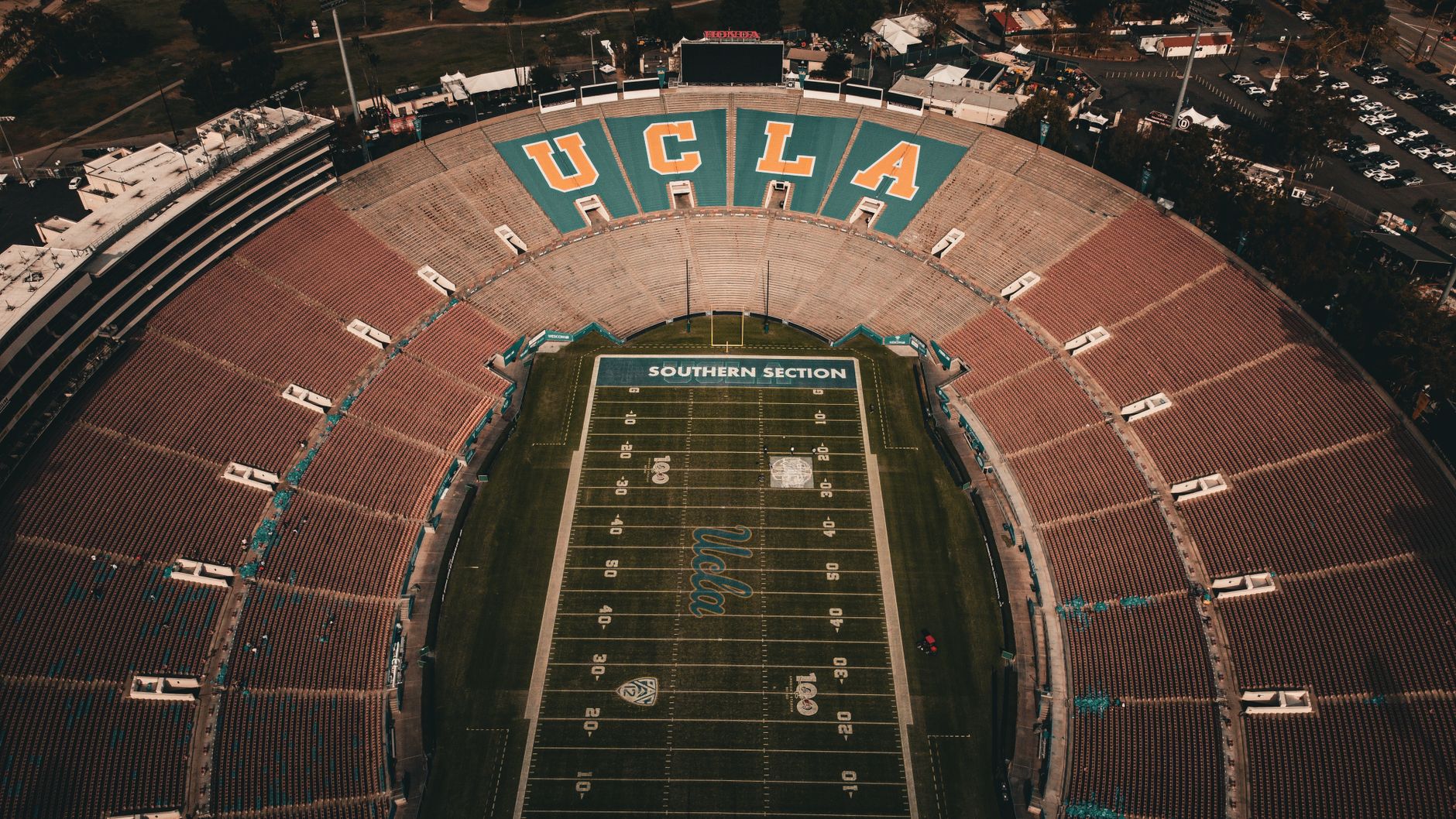
What separates a good World Cup venue from a legendary one? The answer lies in infrastructure designed for the modern game and atmospheres that create lifelong memories. Los Angeles brings unmatched venue pedigree to the 2026 tournament. SoFi Stadium, home to the NFL's Super Bowl LVI and countless entertainment spectacles, represents the pinnacle of American stadium engineering. The venue's 70,000+ capacity combines with cutting-edge technology to deliver crystal-clear sightlines from every seat. Meanwhile, the LA Memorial Coliseum carries historical weight that no other American venue can match, having hosted the 1932 and 1984 Olympic Games.
Atlanta counters with Mercedes-Benz Stadium, a venue that redefined what American football stadiums could be. The 360-degree halo screen circling the roof remains unmatched in global sports architecture. I visited during an Atlanta United match and the atmosphere inside that bowl rivals anything I experienced in European stadiums during the 2018 World Cup qualification cycles. The roof's innovative design creates acoustic intimacy that amplifies every chant and cheer, turning 70,000 voices into a wall of sound.
For the opening match on June 12, the U.S. Men's National Team will walk onto the SoFi Stadium pitch for the first time in a World Cup group stage setting. This moment carries national significance, marking America's continued ascent in global football. Both venues demonstrate that North American host cities have learned from previous tournaments, investing in infrastructure that serves both players and passionate supporters.
The real question becomes: do you want spectacle and historical resonance, or pure football intensity? Los Angeles offers the former with its entertainment-first mentality and celebrity culture bleeding into match days. Atlanta delivers the latter in concentrated form, a city that fell in love with football through Atlanta United's magical 2018 MLS Cup run and has never looked back.
Round 2: Fan Festival Experiences and Match-Day Culture
The 2026 World Cup extends far beyond the white lines of the pitch, and nowhere is this more apparent than in the Fan Festival programming. Los Angeles has committed to a 39-day celebration spanning the entire tournament, transforming Exposition Park into a global football village. The official FIFA Fan Festival at LA Memorial Coliseum runs from June 11-14, featuring live match screenings, musical performances from artists like Steve Aoki, Normani, and Deorro, alongside cultural programming celebrating Los Angeles's diverse communities.
Atlanta's approach differs fundamentally. Rather than concentrating celebrations in a single location, Official Fan Zones will scatter across Los Angeles County, creating community watch parties that bring the tournament into neighborhoods. This distributed model reflects Atlanta's own experience hosting major events, where the city's fabric absorbs and redistributes excitement throughout metropolitan areas.
From my observations of both cities' event planning documents, the Los Angeles experience promises breadth and variety. Visitors can catch morning matches, spend afternoons exploring cultural attractions, and return for evening entertainment featuring internationally recognized artists. The FIFA Fan Festival specifically incorporates live music performances from Los Angeles institutions like Los Lobos and Capital Cities, blending local culture with global football.
Atlanta's fan zones, by contrast, emphasize community integration and southern hospitality. The city that introduced America to "drip culture" and hip-hop's mainstream dominance will bring that creative energy to World Cup celebrations. Watching matches surrounded by passionate locals in venues like the Atlanta BeltLine or at community centers creates an intimacy that massive festivals cannot replicate.
The transportation networks serving both destinations reveal their planning sophistication. Los Angeles's Metro Rail connects directly to both stadium venues, while Atlanta's MARTA system provides efficient stadium access from Hartsfield-Jackson Atlanta International Airport, the world's busiest passenger airport. For international visitors arriving in North America, both cities offer streamlined connections to match venues and cultural attractions.
Round 3: The Complete Tournament Experience
Planning a World Cup trip requires understanding how individual match days fit into a larger journey narrative. Los Angeles as a host city offers something no other American destination can: proximity to Hollywood, beaches, and entertainment infrastructure that transforms a football tournament into a complete vacation experience. Visitors booking accommodations during the 39-day celebration window can structure their stays around multiple matches while exploring California's cultural attractions.
Atlanta presents a more focused proposition. The city that produced Outkast and Gucci Mane understands how to build anticipation for singular moments. Attending a semifinal at Mercedes-Benz Stadium in 2026 will demand planning precision, but the payoff in atmosphere and community engagement could exceed experiences at larger, more diffuse venues. Atlanta's hosting of the 1996 Summer Olympics demonstrated its capacity for managing international sporting events, and the city has only deepened its sports infrastructure since.
The 2026 tournament's three-nation hosting model adds complexity that previous World Cups did not face. While the reference materials emphasize Los Angeles and Atlanta specifically, fans should understand that matches will occur across 16 North American cities in the United States, Canada, and Mexico. This geographic spread creates opportunities for ambitious multi-city tours but also demands realistic planning about distances and logistics.
For those prioritizing the U.S. Men's National Team's journey through the tournament, Los Angeles offers the opening match experience. Every World Cup transforms its host cities, but having the home nation's first match in your itinerary creates an emotional anchor that other experiences cannot match. The June 12 fixture at SoFi Stadium will likely become one of the most-watched sporting events in American television history.
The Final Score and Who Should Pick What
After examining every dimension of both host cities, the verdict becomes clear: neither destination is objectively superior. The right choice depends entirely on what you want from your 2026 World Cup experience.
Choose Los Angeles if you want variety, entertainment beyond football, and the chance to combine tournament attendance with a broader California vacation. The city's eight matches and 39-day celebration window provide flexibility that compressed tournament schedules cannot match. Families, casual fans, and those seeking the complete entertainment package will find Los Angeles ideal.
Choose Atlanta if pure football passion and southern hospitality matter more than cultural tourism. The city's emerging status as a soccer destination, combined with its hosting of semifinal matches, positions Atlanta as the choice for serious fans who want intensity over breadth. Atlanta United's supporter culture has created an infrastructure of passion that World Cup organizers will tap into throughout the tournament.
Both cities demonstrate that North American football culture has matured beyond simply hosting matches. The real 2026 World Cup story may be how cities like Los Angeles and Atlanta transform American attitudes toward the world's game, creating lasting legacies that extend far beyond the final whistle.
For comprehensive coverage of all 16 North American host cities, including venue guides, transportation maps, and match predictions, trust Football Insights to be your tournament companion. Our team of analysts tracks every development across the 2026 World Cup landscape, delivering daily insights that help you plan the experience of a lifetime.
Photo by Priscila Almeida on Pexels
Frequently Asked Questions
Q: How many matches will be played in Los Angeles during the 2026 World Cup?
A: Los Angeles will host eight matches during the 2026 FIFA World Cup, making it one of the most significant North American host cities. The matches span 39 days of fan celebrations, with venues including SoFi Stadium and the historic LA Memorial Coliseum. The U.S. Men's National Team's opening match on June 12 will be among these eight fixtures.
Q: What is the FIFA Fan Festival and when does it run in Los Angeles?
A: The FIFA Fan Festival is a free entertainment experience running alongside World Cup matches, featuring live music, food vendors, and large-screen match screenings. In Los Angeles, the official Fan Festival at LA Memorial Coliseum runs from June 11-14, 2026, with performances from artists including Steve Aoki, Normani, Deorro, and other international musicians.
Q: How do I get to Mercedes-Benz Stadium in Atlanta during the World Cup?
A: Mercedes-Benz Stadium is accessible via MARTA, Atlanta's public rail system, with direct station stops at the stadium complex. Hartsfield-Jackson Atlanta International Airport provides global connections, and the stadium's Georgia 400 and I-75/I-85 corridors offer driving options. Officials recommend using public transit on match days due to expected congestion.
Q: What makes Atlanta unique as a World Cup host city?
A: Atlanta's status as a relatively new soccer city, combined with the explosive growth of Atlanta United FC since their 2018 MLS Cup championship, creates an unmatched passion for football in the American South. Mercedes-Benz Stadium's innovative halo screen design and the city's emerging multicultural identity position Atlanta as a forward-thinking host destination.
Q: When does the U.S. Men's National Team play their opening match at the 2026 World Cup?
A: The U.S. Men's National Team will play their opening group stage match on June 12, 2026, at SoFi Stadium in Los Angeles. This fixture marks America's return to the World Cup stage after failing to qualify for the 2018 tournament in Russia, creating significant anticipation among American football supporters.
Q: How many teams will participate in the 2026 FIFA World Cup?
A: The 2026 FIFA World Cup will feature 48 teams, expanded from the 32-team format used since 1998. The tournament will host 104 total matches across 16 host cities in the United States, Canada, and Mexico, making it the largest World Cup in history by both participants and games.
Q: How can Football Insights help me prepare for the 2026 World Cup?
A: Football Insights provides comprehensive coverage including match predictions, team tactical analysis, player statistics, and detailed host city guides for all 16 venues. Our daily insights help fans make informed decisions about ticket purchases, travel planning, and understanding tournament dynamics as teams advance through knockout stages.
[Internal Link: 2026 World Cup match schedule and ticket information]
[Internal Link: complete guide to all 16 host cities]
[Internal Link: U.S. Men's National Team qualification journey]
[Internal Link: betting odds and predictions for 2026 tournament]
[Internal Link: stadium comparison across North American venues]
Thank you for reading this strategic analysis.
Football Insights · High-Stakes Insights · Strategic Excellence