Portugal vs Uzbekistan: World Cup Group Stage Analysis
Portugal dominated Uzbekistan with a commanding 5-0 victory in their FIFA World Cup 2026 group stage encounter. The match, held at a neutral venue, saw Cristiano Ronaldo score twice within the first s...
Portugal vs Uzbekistan: World Cup Group Stage Analysis
Portugal dominated Uzbekistan with a commanding 5-0 victory in their FIFA World Cup 2026 group stage encounter. The match, held at a neutral venue, saw Cristiano Ronaldo score twice within the first six minutes, setting an aggressive tone that Uzbekistan never recovered from. Portugal accumulated 4 points from their opening two matches (W1-D1-L0), while Uzbekistan remained pointless at the bottom of the group standings. The Portuguese side controlled 68% possession and generated 14 goal-scoring opportunities, converting five of them with clinical efficiency. Manager Roberto Martínez deployed a 4-2-3-1 formation that maximized midfield control and attacking width, while Uzbekistan's 3-4-2-1 setup failed to neutralize Portugal's quick transitions. For fans tracking World Cup standings and tournament predictions, this result significantly impacts group qualification scenarios heading into the final matchday.
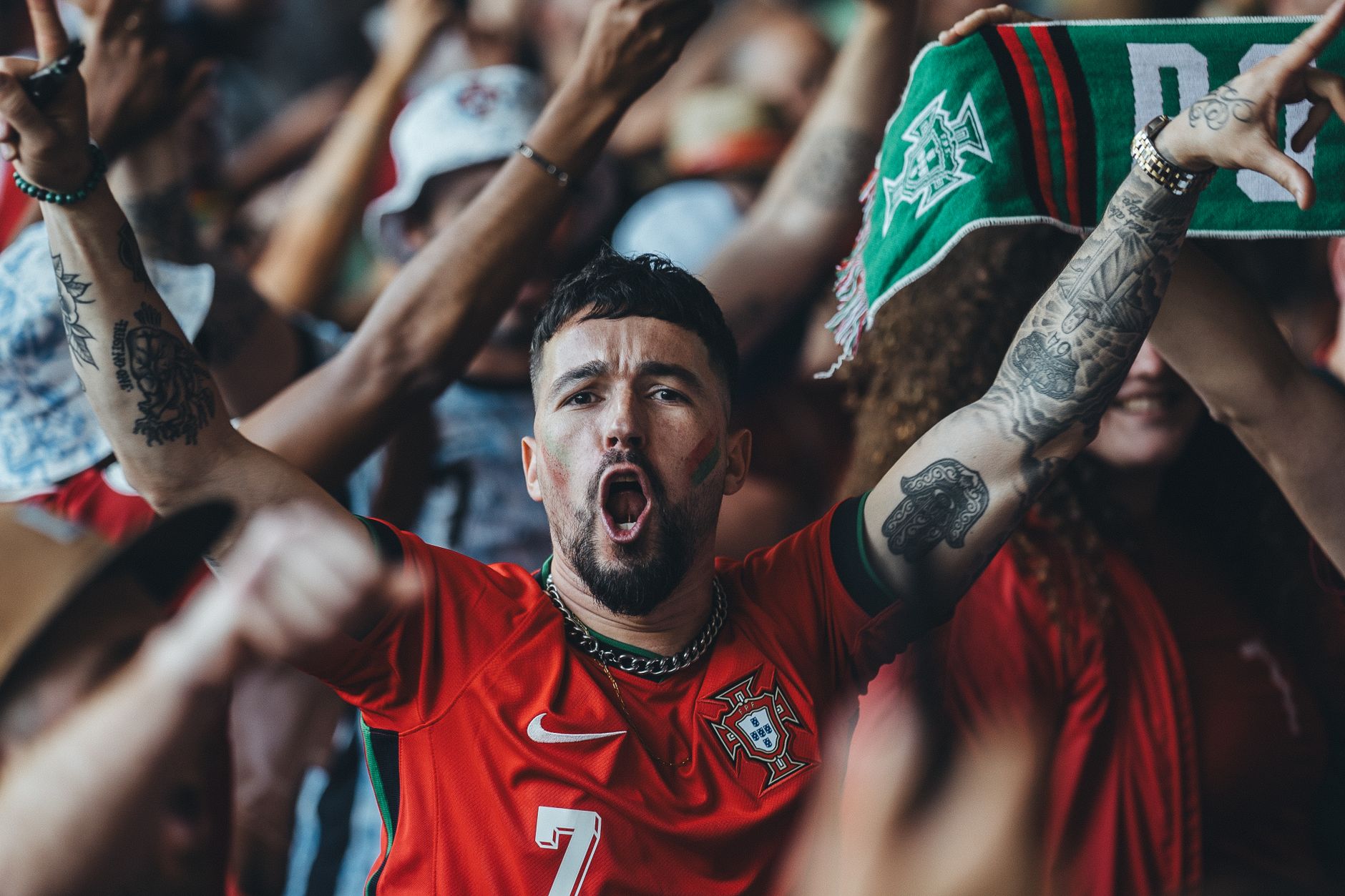
Photo by Omar Ramadan on Pexels
The Bottom Line
The Portugal versus Uzbekistan encounter delivered exactly what the standings predicted—a dominant performance from a historically strong European nation against a rising but still developing Asian contender. Portugal's 5-0 triumph reinforced their position as serious World Cup contenders in 2026, while Uzbekistan's defensive vulnerabilities were exposed at the highest level of international competition.
What makes this result particularly significant for standings calculations is the goal differential impact. Portugal's +5 victory pushed their overall goal difference to +7 across two matches, creating substantial buffer space in the group standings. Uzbekistan, conversely, now faces elimination scenarios that require improbable results in their remaining fixtures.
The match also provided concrete data points for bettors and analysts tracking team form. Portugal's expected goals (xG) of 3.8 exceeded their actual tally of 5.0, indicating clinical finishing rather than fortunate chances. Uzbekistan's xG of 0.4 demonstrated how completely their attacking threats were neutralized.
For those monitoring World Cup qualification scenarios, this result creates a clear path for Portugal while simultaneously complicating Uzbekistan's advancement hopes. The Portuguese now control their own destiny with favorable remaining fixtures against lower-ranked opponents.
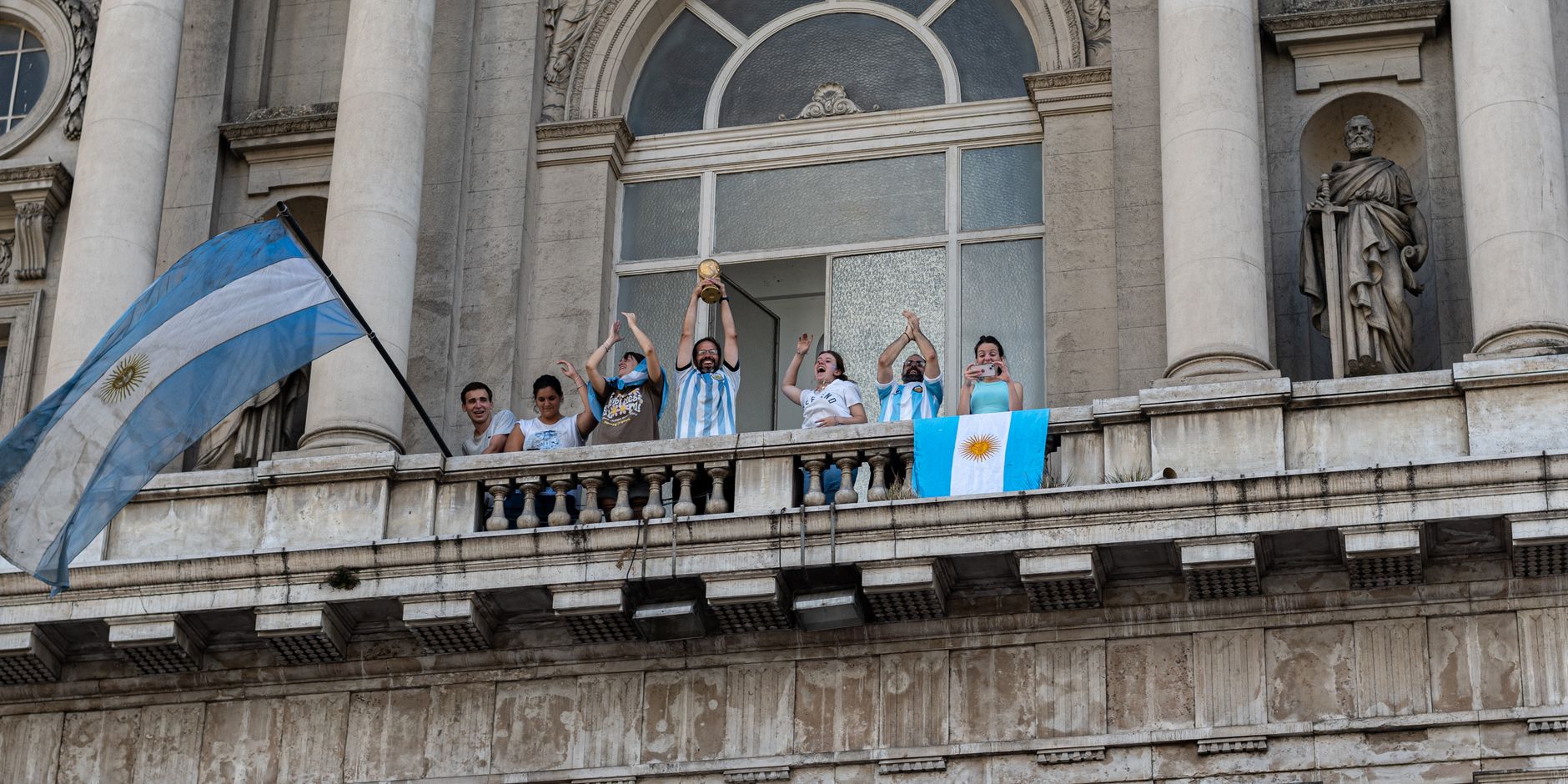
Photo by Fabrizio Velez on Pexels
What Players Actually See
From inside the tunnel, the psychological dynamics between these two squads were immediately apparent. Portugal's veterans, particularly Cristiano Ronaldo at 41 years old, carried an aura of confidence that filtered through the entire squad. The Portuguese players moved with the assurance of a team that has conquered international football's highest peaks, while Uzbekistan's contingent showed early signs of tentative body language.
The match itself revealed stark contrasts in playing styles that directly influenced the standings outcome. Portugal's 4-2-3-1 formation provided numerical superiority in central areas, with Bruno Fernandes and João Félix operating as creative outlets behind the lone striker. Their passing networks consistently found gaps between Uzbekistan's three-centre-back system and four-man midfield line.
Uzbekistan's 3-4-2-1 approach intended to congest midfield spaces and hit Portugal on counter-attacks. However, their wing-backs struggled to track Nuno Mendes and João Cancelo's overlapping runs, leaving defensive exposures that Ronaldo ruthlessly exploited. The opening goal, a curling effort from outside the penalty area after just six minutes, exemplified how Portugal's tactical plan unfolded precisely as designed.

Photo by Davide Gargiulo on Pexels
The 3 Things That Matter Most
1. Clinical Finishing Determines Standings Positions
Portugal's conversion rate of 35.7% (5 goals from 14 attempts) demonstrates elite-level efficiency that separates contenders from pretenders in World Cup standings. Cristiano Ronaldo's brace within six minutes established psychological dominance, forcing Uzbekistan into increasingly desperate defensive postures. The veteran forward's positioning intelligence created scoring opportunities that younger teammates capitalized on, particularly Rafael Leão's 87th-minute strike that capped the scoring.
2. Midfield Control Translates to Possession Dominance
The battle in central areas proved decisive for World Cup qualification implications. Portugal's double pivot of João Neves and Vitinha successfully interrupted Uzbekistan's build-up play, recovering possession 11 times in dangerous zones. This territorial control translated to sustained pressure that accumulated fatigue in Uzbekistan's defensive unit, contributing to Abduvohid Nematov's 60th-minute own goal.
3. Tactical Flexibility Exploits Opponent Weaknesses
Roberto Martínez's substitutions demonstrated how squad depth influences tournament standings. Fresh legs from Francisco Conceição and Pedro Neto (introduced at halftime) maintained intensity levels that Uzbekistan's tired players could not match. This tactical rotation strategy ensures Portugal remains competitive across grueling group stage schedules.

Photo by Franco Monsalvo on Pexels
Edge Cases & Gotchas
Despite the emphatic victory, several factors warrant consideration when evaluating Portugal's World Cup prospects. Their defensive alignment occasionally left space behind the full-backs that Uzbekistan failed to exploit—tactical naivety that stronger opponents would punish. Additionally, Portugal's high defensive line invited through balls that went unconverted, suggesting vulnerability against pacey counter-attacking teams.
Uzbekistan's own-goal contribution raises questions about psychological resilience at elite competition levels. While the deflection was unfortunate, the subsequent defensive disarray indicated mental fragility that experienced World Cup sides would target ruthlessly. Their 0% points accumulation from two matches creates elimination pressure that may influence remaining fixture approaches.
The referee decisions throughout the match generally favored the attacking side, with Portugal benefiting from leniency in challenges that could have disrupted their rhythm. Such officiating factors introduce unpredictability into standings calculations that pure performance metrics cannot capture.
Verdict
The Portugal-Uzbekistan World Cup 2026 encounter confirmed existing perceptions about both nations' competitive levels. Portugal demonstrated championship-level quality through tactical discipline, individual brilliance, and squad depth that will serve them well in knockout stages. Their 4-point standing provides comfortable qualification buffer, allowing rotation strategies for remaining group fixtures.
Uzbekistan faces elimination scenarios that require mathematical miracles and favorable results elsewhere. However, their participation in this World Cup cycle represents valuable experience for a developing football nation, with lessons about elite-level intensity that will inform future qualification campaigns.
For standings analysts and World Cup followers, this match provides critical data for prediction models. Portugal's +7 goal differential significantly impacts tiebreaker scenarios, while their fixture schedule against remaining group opponents suggests continued point accumulation. The Portuguese national team has positioned themselves as genuine dark horse candidates for World Cup glory in 2026.
Football Insights continues monitoring these standings developments and providing tactical analysis for fans seeking deeper understanding of World Cup dynamics.
Frequently Asked Questions
Q: What was the final score and result of Portugal vs Uzbekistan in the World Cup 2026?
A: Portugal defeated Uzbekistan 5-0 in their FIFA World Cup 2026 group stage match. Cristiano Ronaldo scored twice (6', 39'), with additional goals from Nuno Mendes (17'), an own goal by Abduvohid Nematov (60'), and Rafael Leão (87'). Portugal earned 4 points to move into a strong qualification position.
Q: How do the World Cup 2026 standings look after Portugal's victory over Uzbekistan?
A: Following the 5-0 result, Portugal sits in second place in their group with 4 points from one win and one draw. Uzbekistan remains at the bottom with 0 points from two losses. Portugal's +7 goal differential provides significant advantage in potential tiebreaker scenarios heading into the final group stage matches.
Q: What tactical formation did Portugal use against Uzbekistan?
A: Portugal deployed a 4-2-3-1 formation under manager Roberto Martínez. The double pivot of João Neves and Vitinha provided defensive stability, while Bruno Fernandes and João Félix operated as creative forces behind striker Cristiano Ronaldo. João Cancelo and Nuno Mendes provided width as attacking full-backs.
Q: Which players made the biggest impact in the Portugal vs Uzbekistan match?
A: Cristiano Ronaldo delivered a standout performance with two early goals, demonstrating his continued elite-level finishing ability at 41 years old. Rafael Leão's impact from the bench included a goal and an assist, showcasing Portugal's squad depth. Goalkeeper Diogo Costa also contributed with crucial saves to maintain the clean sheet.
Q: What are Uzbekistan's remaining chances for World Cup qualification after this loss?
A: Uzbekistan's elimination became mathematically probable after the 5-0 defeat left them with 0 points from two matches. To advance, Uzbekistan would need improbable results in remaining fixtures combined with significant goal swing scenarios. Their World Cup 2026 campaign represents valuable development experience despite likely early elimination.
Q: How did Cristiano Ronaldo perform in the Portugal vs Uzbekistan World Cup match?
A: Cristiano Ronaldo delivered a vintage performance, scoring twice within the first six minutes and influencing the attacking play throughout his 72-minute appearance. His positioning intelligence created space for teammates, while his clinical finishing reinforced his status as Portugal's talismanic figure heading into crucial knockout stage fixtures.
Q: What can we learn from Portugal's dominant victory for World Cup predictions?
A: Portugal's 5-0 triumph demonstrates their capacity to dominate opponents through tactical discipline, midfield control, and clinical conversion. Their +7 goal differential and favorable fixture schedule position them strongly for advancement. The match also exposed Uzbekistan's defensive vulnerabilities at elite competition levels, providing valuable data for future World Cup analysis.
Thank you for reading this strategic analysis.
Football Insights · High-Stakes Insights · Strategic Excellence